
Start date
Course length
Program Overview
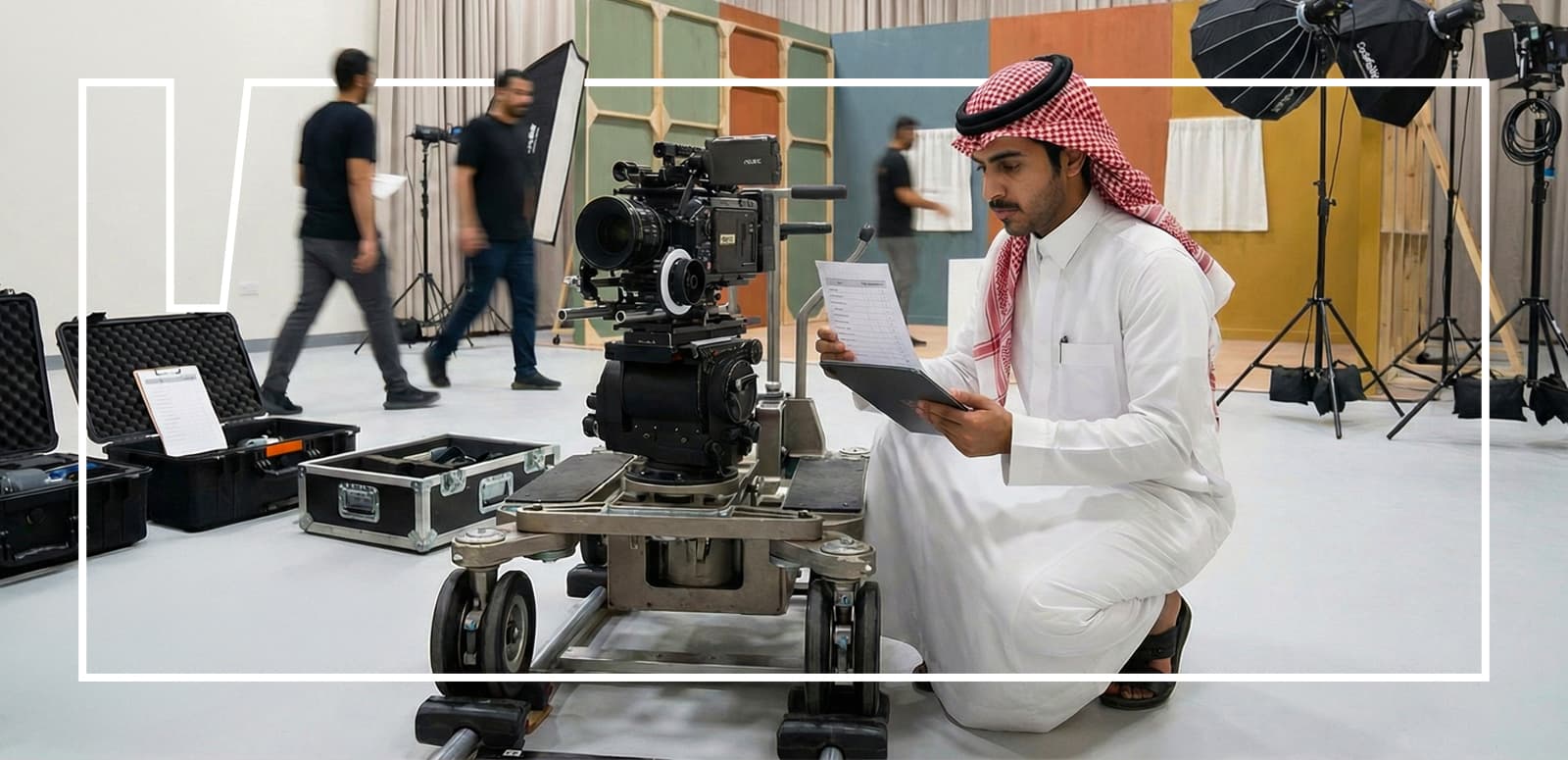
The BA Film and Television Production will introduce and train aspiring young filmmakers in the broad spectrum of the cinematic arts through practical hands-on instruction by experienced instructors and professional filmmakers.
This program will take students through more than 25 cinema courses in directing, producing, writing and post-production, and set in a world class educational environment in small classes to ensure personalized instruction.
In Association With:

Learning Objectives
- Build foundational and specialized filmmaking knowledge in several disciplines that will directly impact your opportunities for professional work
- Develop practical directing, production, post-production, collaboration and leadership skills with your student teams, faculty and outside potential employers
- Ensure readiness for roles in the film and television industries, and the new and expanding technologies and AI
- Foster students' ability to analyze, evaluate, and reflect on creative and technical decisions in audiovisual production.
- Prepare graduates to work ethically, responsibly, and collaboratively within professional film and television production environments.
- Develop students' creative and technical production skills through progressive, practice-based learning experiences.
Assessment Methods
- Coursework exercises, assignments, projects, in-class participation and collaboration, work quality, and exams
- Successful completion of Graduation Film Project and internship to earn BA degree
Admission Criteria
- Creative Video Submission (Required): Applicants must submit a filmed scene or short film with a maximum duration of five (5) minutes, demonstrating their creative and storytelling abilities.
The BA and Intermediate Diploma Applicants must submit a document with links to a short film (3-5 minutes) to help the evaluation committee better understand your artistic potential. This can be a film that you made previously in high school, or last year with friends or any time in the last year. Or you can make a special film just for this application. Once you decide what film we should see, upload it to YouTube and make it unlisted.
Then send us the link for:
- Your Unlisted YouTube video.
- A Word or PDF document with the link embedded.
Make sure it is clear what you did on these projects.
If you were the director? Make sure the committee understands that.
If you wrote it? Then great. Make it known.
If you ran the camera? Then tell us about that.
- Creative Portfolio (Optional): The portfolio is a great indicator of artistic talent, technical skill, and creative potential for this practice-based degree. If you wish to submit the optional Portfolio, follow the instructions below:
BA and Intermediate Diploma Applicants may submit a PDF with links to a portfolio of creative work (e.g., scripts, storyboards, photography, visual art, or other works) to help the evaluation committee better understand your artistic potential.
The links should take us to:
- Unlisted YouTube videos.
- Word or PDF scripts for films.
- PowerPoints or Canva presentations.
- JPEG formatted Photos.
Make sure it is clear what you did on these projects.
If you were the director? Make sure the committee understands that.
If you wrote it? Then great. Make it known.
The portfolio is not a substitution to making a film for submission. It is an additional document submitted to accompany your film and application
Admission requirements, program structures, and program-specific requirements are subject to review and may be updated or changed at any time without prior notice. Applicants are advised to visit the program page at the time of admission for the most current information.
What to Expect
- You will work through every stage of the filmmaking process while building creative and technical expertise, collaboration skills with classmates
- Creative and technical directing, producing, Camera and post-production skills in effective storytelling projects
- Production skills (film and sound editing, research, management, leadership, working collaboratively with classmates to successfully meet projects' objectives)
- Script and scene work (script breakdowns, writing and rewriting, directing actors)
- Management (roles & responsibilities, production paperwork, software tools)
- Plan film and television projects from concept through pre-production, production post-production, and completion, applying appropriate learned creative and organizational methods.
Career Path After the Program
Career opportunities include, but are not limited to:
- Director, Assistant Director, or Second Unit Director
- Producer, Associate Producer, or Production Manager
- Screenwriter, Script Editor, or Story Developer
- Cinematographer, Director of Photography, Camera Operator, or Camera Assistant
- Film Editor, Assistant Editor, or Post-Production Editor
- Production Designer, Art Director, or Set Designer
- Sound Designer, Production Sound Mixer, or Boom Operator
- Documentary Filmmaker, Content Creator, or Digital Media Producer
- Commercial Director or Advertising Content Producer
Study Plan
| Course Name | Description | Credit Hours |
|---|---|---|
| Introduction to World Art and Visual Culture | This course introduces global art and visual culture from antiquity to the present, building visual literacy and critical thinking through art historical analysis and comparative study. | 2 |
| Arabic Communication and Creative Expression | This course develops written and spoken Arabic for professional and creative contexts, with a focus on narrative, critical writing, and stylistic precision. | 2 |
| Cinema: The Art of Moving Image | Basic theory and application of the concepts of time, space, composition, movement, light and color in motion picture production. | 4 |
| World Cinema History | This course presents Historical survey of global cinema from its beginnings. | 2 |
| Introduction to Story | This course consists of fundamentals elements of scene writing, story structure, and character development. | 2 |
| Total Credit Hours | 12 |
| Course Name | Description | Credit Hours |
|---|---|---|
| Introduction to Saudi Culture and Creative Industries or Introduction to Saudi Heritage | These two courses introduce Saudi culture and heritage as a foundation for understanding cultural identity and the creative industries, and their links to the arts, design, and the creative economy. | 2 |
| Foundations of Business and Entrepreneurship | This course introduces the fundamentals of business, entrepreneurship, management, and marketing through examples from the arts and cultural sectors. | 2 |
| Script Analysis | In this course, the students learn how to critically analyze story structure from classic films to contemporary works with identification of key story concepts and elements of three-act structure. | 2 |
| Introduction to Directing | This course presents an overview of the concerns, functions and responsibilities of the director including casting, producing and directing an individual project. | 2 |
| Introduction to Cinematography | A course that let the students craft of cinematography for digital media; includes lectures, on-set video production exercises, and scene studies. | 4 |
| Total Credit Hours | 12 |